
A Guide to Binding Styles: Choosing Between Coil, Comb, and Wire-O for Your Next Project in Kearney, NE
Whether you are putting together a professional presentation, a training manual, a school project, or a catalog for your business, the way you bind your document matters more than most people realize. The binding style you choose affects how your finished product looks, how durable it is, how easy it is to use, and how much it costs to produce. For residents and businesses in Kearney, NE, understanding the differences between the most popular binding types can save you time, money, and frustration before your next print project goes to press.
This guide walks you through three of the most widely used binding styles available today: coil binding, comb binding, and Wire-O binding. By the end, you will have a clear picture of which option suits your specific needs, your budget, and the impression you want to make.
What Is Coil Binding and When Should You Use It?
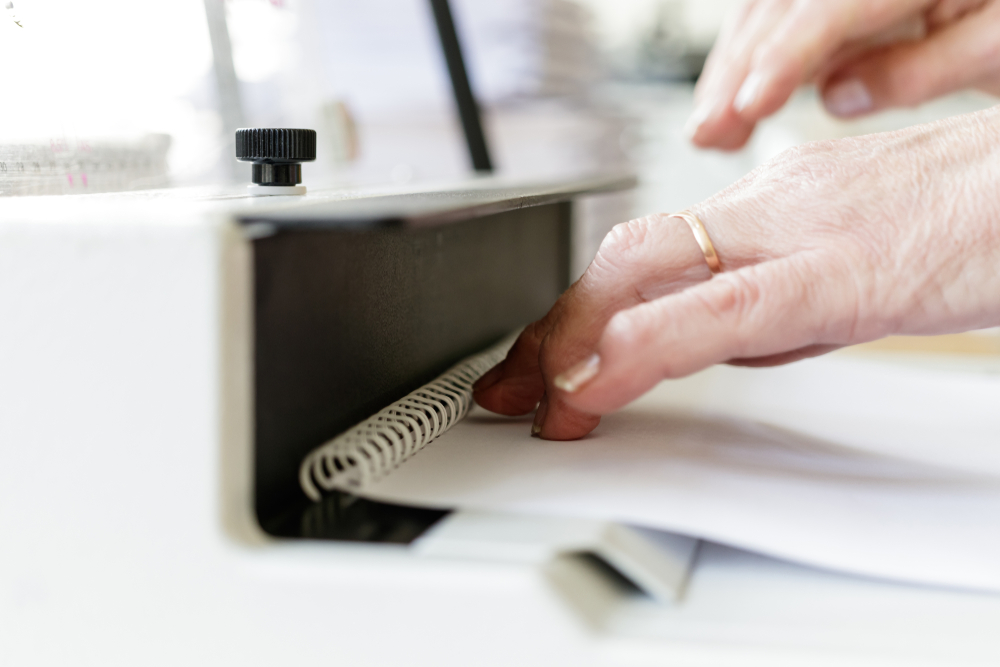
Coil binding, sometimes called spiral binding, uses a continuous plastic or metal coil that winds through small holes punched along the edge of your document. The result is a book that opens flat and can even be folded back on itself, making it incredibly practical for situations where readers need both hands free.
This binding style is one of the most popular binding types for cookbooks, field guides, planners, and notebooks. If you have ever flipped through a spiral-bound notebook without fighting with the pages, you already know how convenient coil binding can be. The coil is flexible, which means your document holds up well under repeated use. It is also water resistant, making it a smart choice for documents used in environments where moisture is a concern, such as kitchens, outdoor worksites, or laboratories.
For businesses in Kearney, NE that produce employee handbooks, training guides, or reference materials that will be used daily, coil binding offers excellent longevity. The downside is that coil-bound documents can be harder to update since the coil must be removed and replaced if you want to add or remove pages. Additionally, the coil can snag on other materials if not handled carefully. Despite these minor drawbacks, coil binding remains one of the most versatile and cost-effective options available.
What Is Comb Binding and How Does Comb vs Coil Binding Compare?
Comb binding uses a plastic spine with curved tines that insert through rectangular holes punched into the pages. The spine is opened using a comb binding machine, the pages are placed over the tines, and then the spine is released so the tines curl back through the holes, holding everything in place.
One of the biggest advantages of comb binding is how easy it is to update your documents. If you need to add pages, remove outdated information, or reorganize sections, you can simply open the comb spine with the machine and make your changes. This flexibility makes comb binding a favorite for internal business reports, draft documents, proposals that are still being revised, and presentations that may need frequent updates.
When thinking about comb vs coil binding, the key differences come down to durability and aesthetics. Comb binding is generally less durable than coil binding. The plastic tines can warp over time, especially if the document is used heavily or stored improperly. Coil binding, by contrast, is more resistant to wear and tends to look cleaner and more polished as a finished product.
That said, comb binding is usually the more affordable option when comparing binding types, and it is widely available at local print shops and office supply stores throughout Kearney, NE. For short-term documents or projects where updating content is a priority, comb binding is a practical and budget-friendly choice. For permanent, professional-grade documents meant to last, you may want to consider coil or Wire-O instead.
What Is Wire-O Binding and What Makes It Stand Out?
Wire-O binding, also known as twin-loop wire binding or double-loop wire binding, uses a series of metal loops that thread through round or square holes punched along the document’s edge. Unlike coil binding, which uses a single continuous spiral, Wire-O consists of individual loops pressed together into a finished product that looks sharp and professional.
The aesthetic appeal of Wire-O binding sets it apart from the other binding types. The metal finish gives finished documents a sleek, polished appearance that communicates quality and attention to detail. This makes Wire-O a top choice for presentations, portfolios, reports destined for executive review, proposal books, and any document where first impressions count.
Like coil-bound documents, Wire-O books lie flat when opened and can be folded back on themselves. This makes them just as functional as coil-bound materials in practical, hands-on environments. However, Wire-O binding is generally not as easy to update as comb binding. Once the wire loops are pressed shut, reopening them without a special tool can be difficult, and they may not look as clean the second time around.
In Kearney, NE, businesses that want to present polished, professional materials to clients, investors, or partners often turn to Wire-O binding for that reason. The higher-end look is worth the slightly higher cost for projects where presentation quality matters most.
How to Choose the Right Binding Style for Your Specific Project
Choosing between binding types does not have to be complicated once you know what to look for. The best starting point is asking yourself a few simple questions about your project.
First, consider how long the document needs to last. If you are producing something meant to be used repeatedly over months or years, coil or Wire-O binding will serve you better than comb binding. If the document is short-term or likely to be updated, comb binding gives you the most flexibility.
Second, think about your audience and the impression you want to make. Internal documents, drafts, and working files do not usually require the polish of Wire-O binding. But if you are handing something to a client, a customer, or a decision-maker, the professional appearance of Wire-O binding could make a meaningful difference.
Third, consider your budget. Among the common binding types, comb binding is typically the least expensive, coil falls in the middle range, and Wire-O tends to cost the most. For high-volume print runs, even a small price difference per unit can add up quickly.
Finally, think about how your document will be used. Documents that need to lay flat, such as manuals, instruction guides, or reference books used while someone is working, are best suited to coil or Wire-O binding. Documents that will mostly be read at a desk or in a meeting room can work well with any of the three binding types.
For print and copy shops in Kearney, NE, helping customers navigate these decisions is a daily part of the job. If you are ever unsure, asking a local print professional to see samples of each binding style side by side can make the decision much easier.
Conclusion
Selecting the right binding style for your next project is about more than just holding pages together. It is about matching the look, function, and durability of your finished product to the needs of the people who will use it. Whether you are debating comb vs coil binding for an internal training manual or deciding between coil and Wire-O for a high-stakes client presentation, understanding the strengths and limitations of each option puts you in control of the final result.
In Kearney, NE, you have access to skilled print professionals who can help you evaluate your options, stay within your budget, and produce a finished document that looks great and holds up over time. Take the time to think through your project requirements before committing to a binding style, and your final product will reflect that care and intention from the very first page.
Need Professional Printing in Kearney, NE?
Copycat Printing: home of custom designs, eye-catching signage, and professional printing. We are a family-owned and locally operated printing company that has been open since 1988 in Kearney, NE. We pride ourselves in providing excellent customer service and delivering a high-quality product. Our highly experienced staff can help with all of your printing, copying, bindery, graphic design and large-format projects! Copycat Printing is your number one source for standard (envelopes, forms, business cards, raffle tickets, letterhead, brochures, newsletters, postcards, manuals, custom notepads) and large-format (posters, banners, yard signs, vehicle wraps) printing, blueprints, and many other services. Call us today!
Categorised in: Uncategorized